
A few years ago, building a UI meant this:
Design in Figma → Export assets → Panic about spacing → Ask developer → “Can you just tweak it a bit?” → Repeat 47 times.
Fast forward to today…
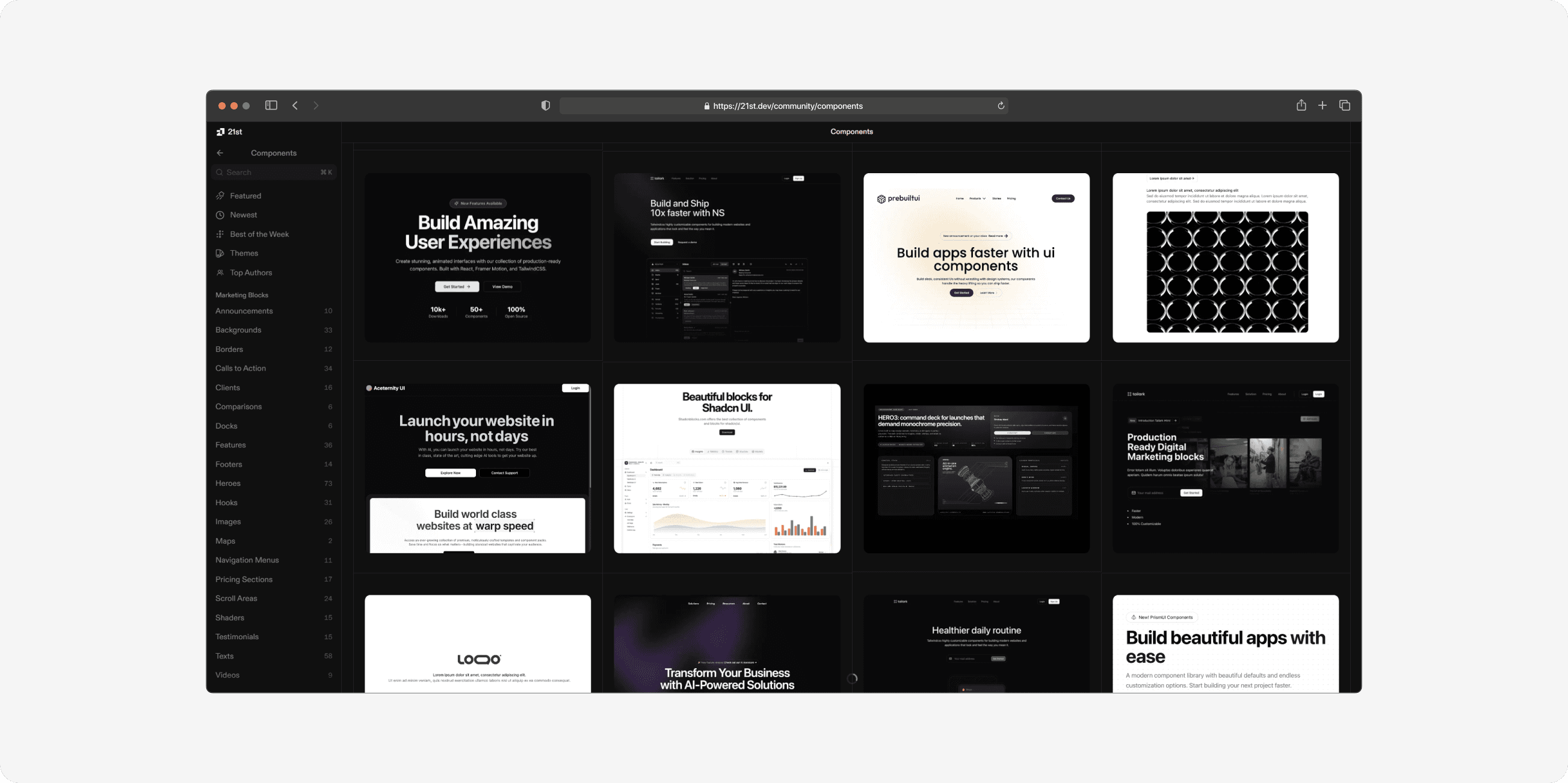
Now we have platforms like 21st.dev, where designers and developers are no longer working in two different worlds. They’re building from the same universe.
And honestly? It feels like cheating (in a good way).
The “Wait… I Can Just Use This?” Moment
Imagine this:
You’re designing a landing page.
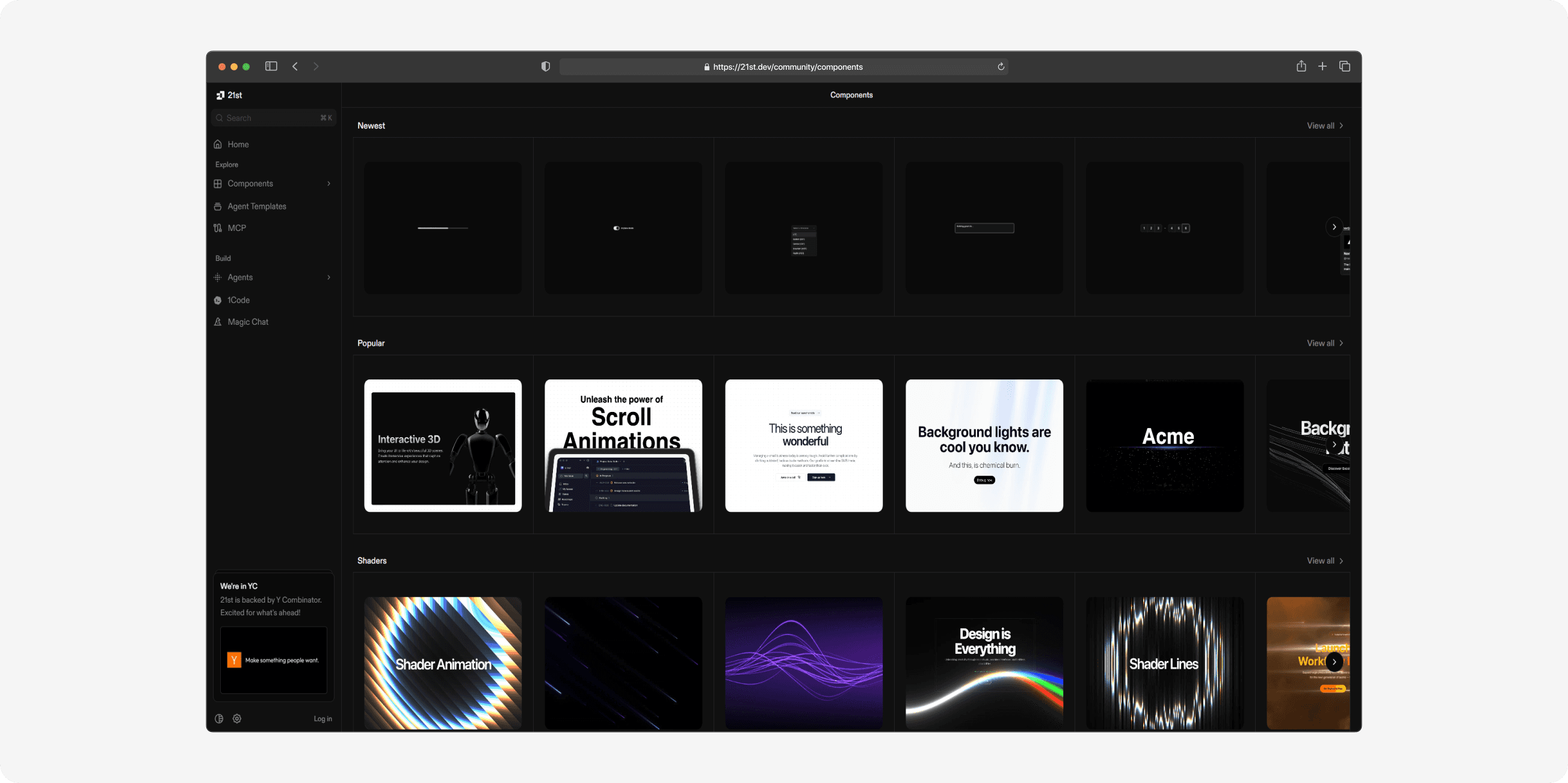
Instead of starting from scratch, you browse a community of ready-made components:
Hero sections
Pricing tables
Feature blocks
Buttons that actually look like buttons
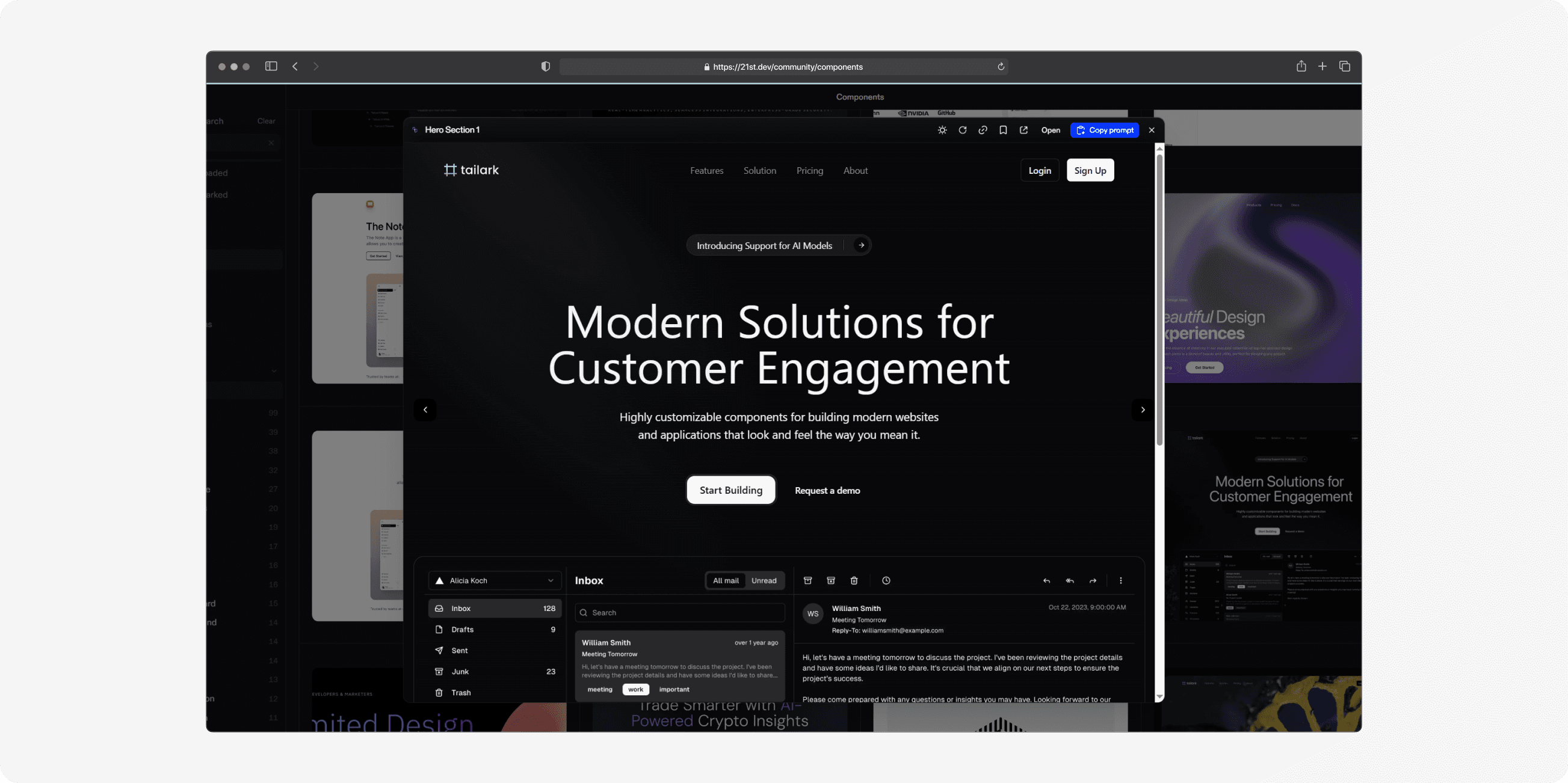
You pick one, tweak it, and suddenly… your “quick idea” looks like a polished SaaS product.
That’s exactly what 21st.dev brings to the table.
It’s like:
“What if GitHub, Dribbble, and a design system had a baby?”
Why Designers Actually Care
Let’s be honest—designers don’t enjoy reinventing the same button 18 times.
With tools like 21st.dev:
You skip repetitive UI work
You get real, usable design patterns
You stay aligned with development reality
You stop designing things that “look nice but are impossible to build”
In short: less guessing, more building.complex
The sprint boom created a cottage industry of facilitators, workshops, and certified methodologies. Suddenly, every agency offered sprint services. Every consultant became a sprint master. The process became more important than outcomes.
This industrialization diluted quality while inflating expectations. Original Google Ventures sprints involved seasoned designers and product experts. Commercial sprints often feature junior facilitators following scripts. The difference between a well-run sprint and a five-day meeting is expertise—something you can't download in a template.
Why Developers Love It (Even If They Pretend Not To)
Developers are not always loud about it, but they secretly love:
Clean components
Ready-to-use UI blocks
Less “design ambiguity”
Because nothing says “fun” like interpreting a pixel-perfect design with zero constraints.
With component-based platforms, the guesswork drops dramatically.
But Here’s the Plot Twist…
21st.dev is not the only player in this game.
There’s an entire ecosystem of tools helping designers and developers work faster:
The Alternatives You Should Know
Some notable ones include:
Plasmic: A visual builder that turns your designs into production-ready components.
Subframe: Focused on building and sharing UI patterns across teams.
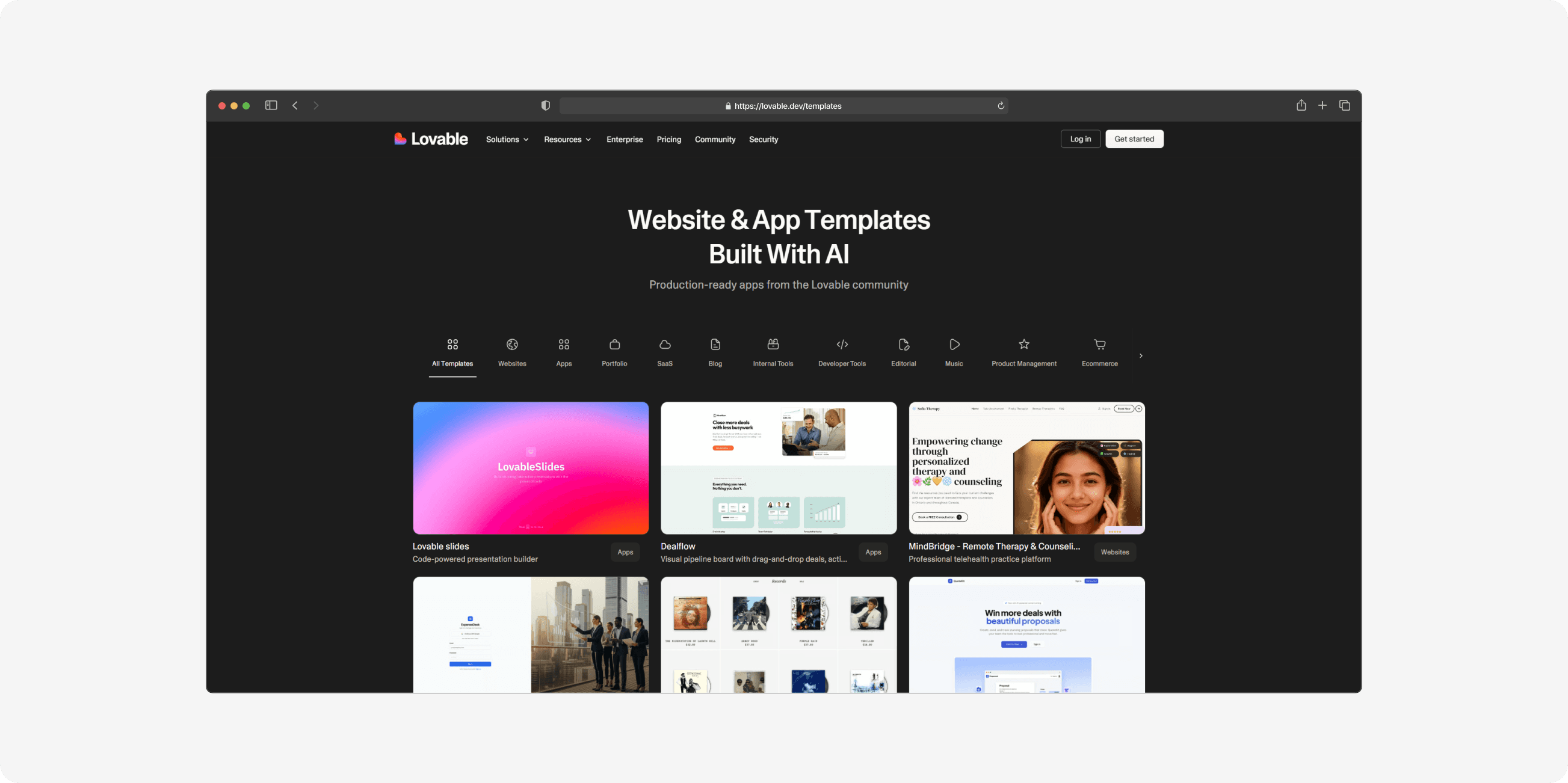
Lovable: A growing space for reusable, community-driven UI components.
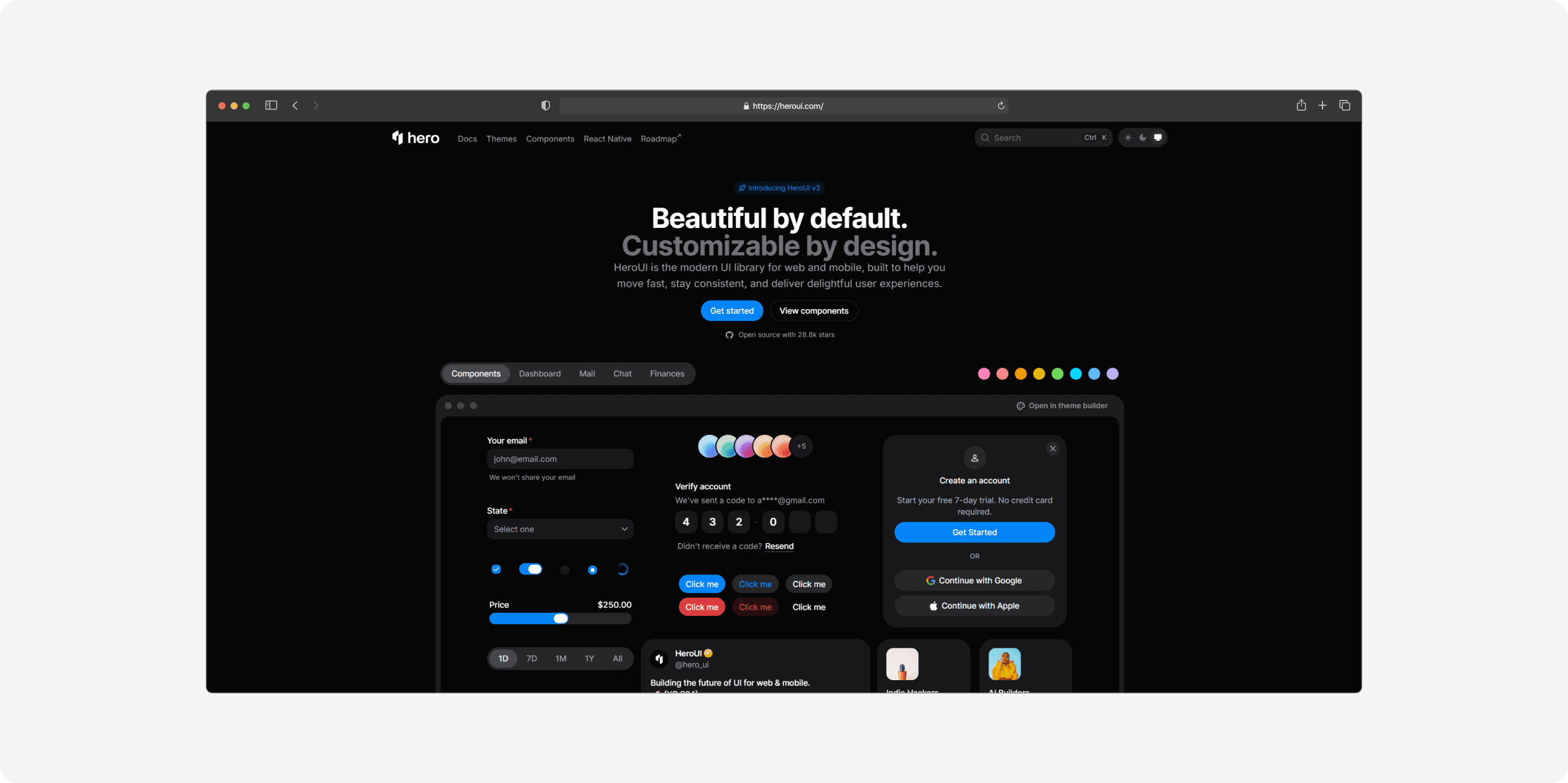
HeroUI: Great for landing page sections and quick UI assembly.
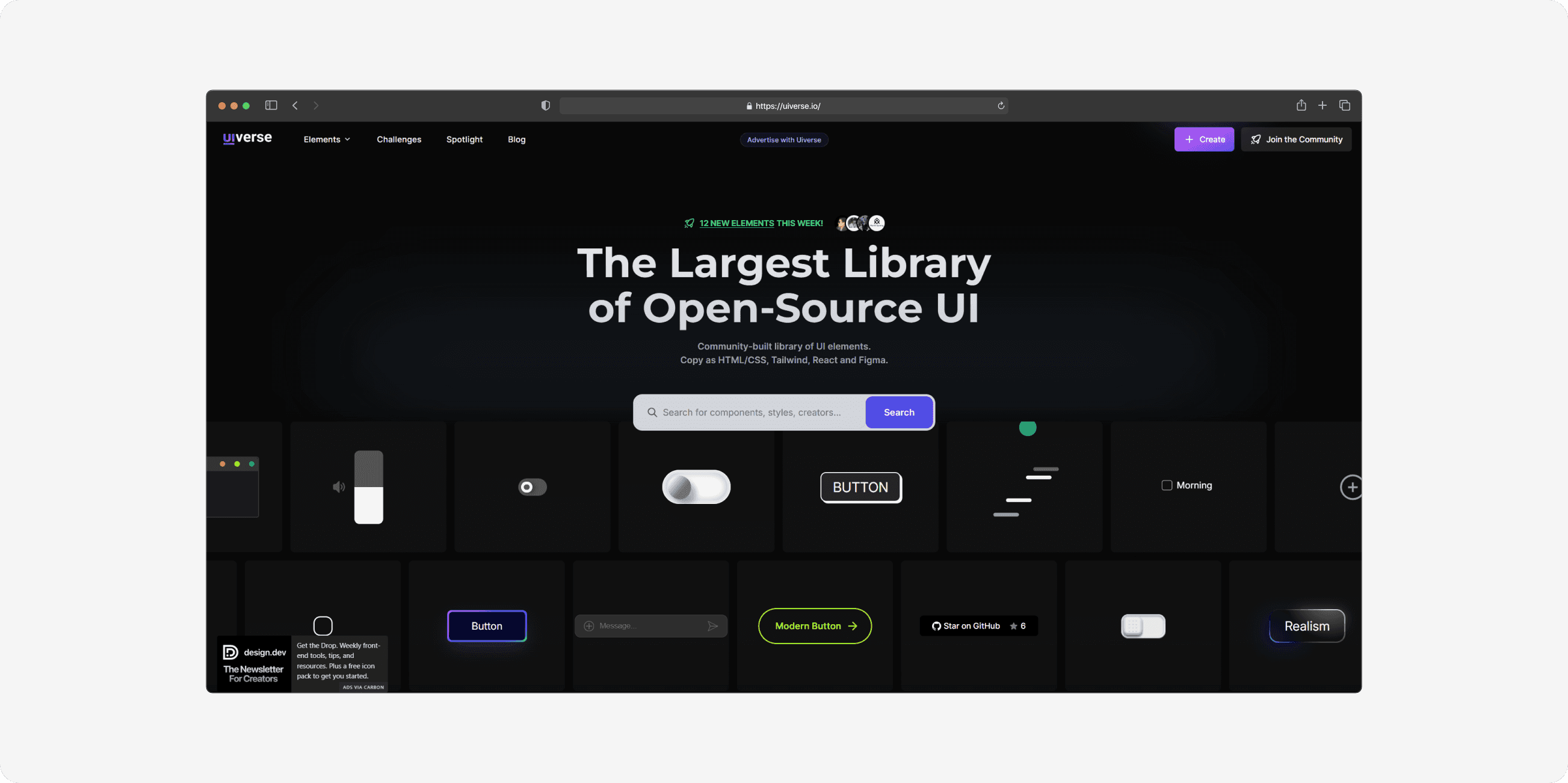
Tailwind-based libraries like Preline, WickedBlocks, and Ripple UI: Perfect if you love clean, utility-first styling.
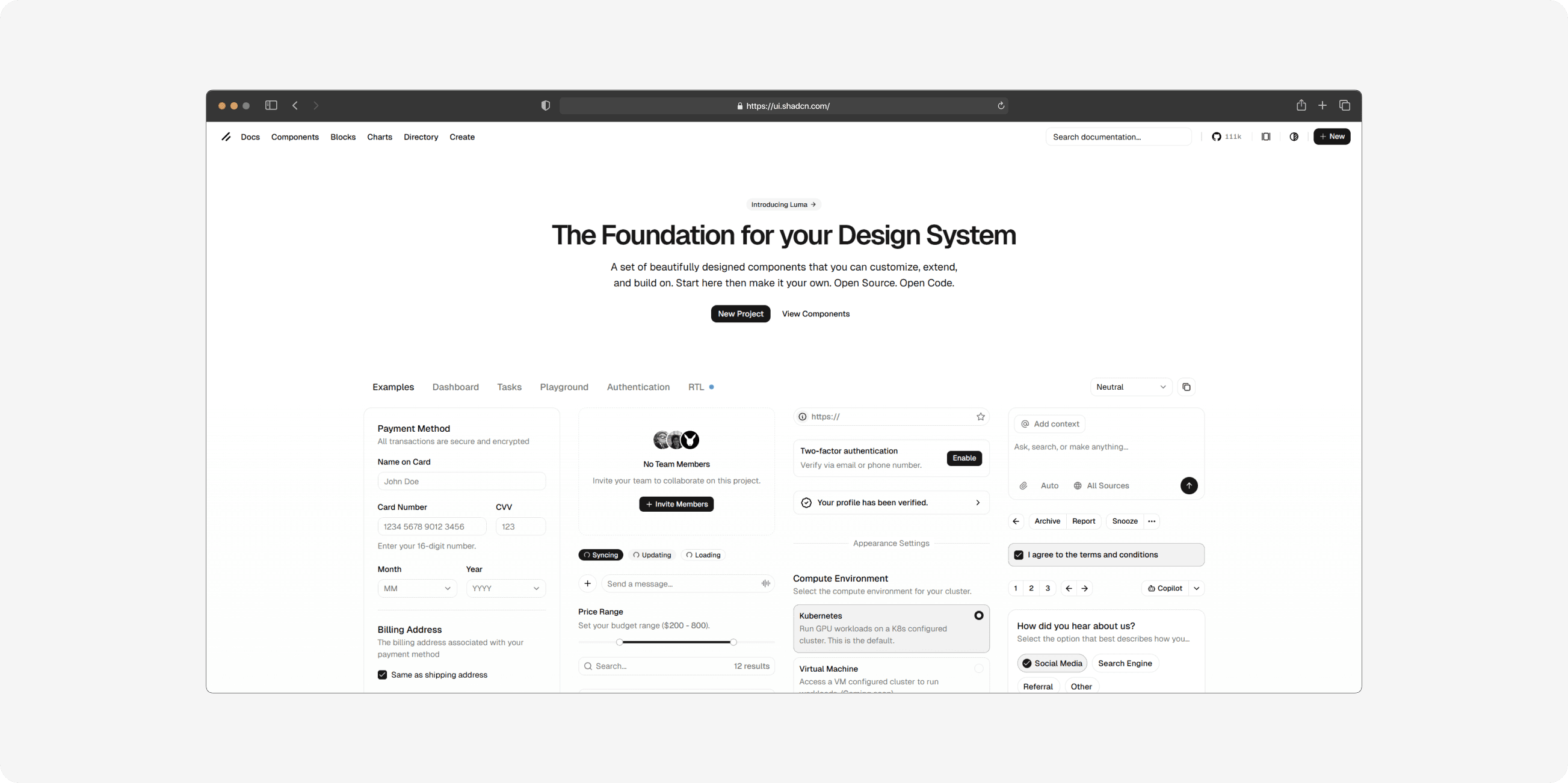
React UI libraries like shadcn/ui and Untitled UI: Flexible, modern, and developer-friendly.
So What’s Actually Happening Here?
We’re shifting from:
“Design → Code → Fix → Repeat”
To something more like:
“Generate → Customize → Ship”
And tools like 21st.dev are making that transition feel natural instead of forced.
My Take
We’re moving toward a world where:
Designers don’t start from zero
Developers don’t rebuild the same components
And ideas move from concept to UI at a much faster pace
It’s not about replacing creativity.
It’s about removing the boring parts that slow creativity down.
Final Thought
If you’re still building everything from scratch…
That’s impressive.
But also… slightly painful.
There are better ways now.

